Claim Free Estimates on HVAC Projects
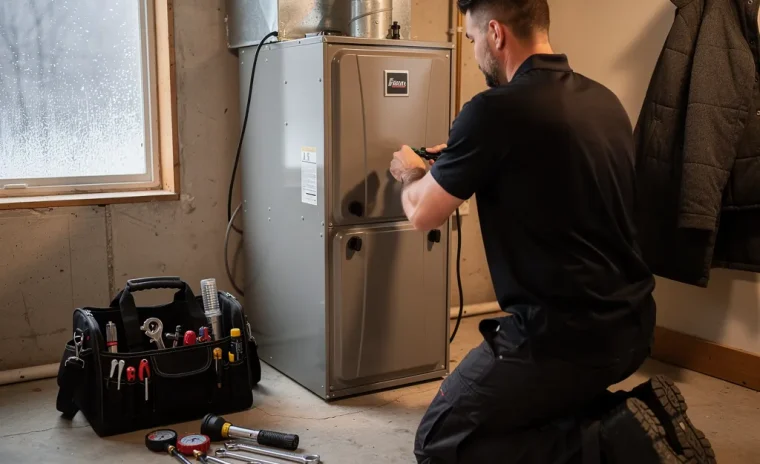
Frequent short-cycling, loud banging, or uneven heating signals repair. Systems over 15 years old with rising energy bills often need replacement. Jimmy Gusky Heating And Air, LLC, with over 30 years of experience, provides honest assessments to help homeowners avoid unnecessary costs.
Is My Heater Worth Repairing or Replacing?
Homeowners in Washington, DC face a common dilemma when a heater struggles: whether to repair the unit or replace it entirely. Knowing the warning signs saves money before a complete failure occurs. Ignoring small issues quickly leads to costly breakdowns or safety hazards.
Jimmy Gusky Heating And Air, LLC brings over 30 years of experience to this decision. The company’s licensed, bonded, and insured crews keep homes safe, comfortable, and running smoothly. The team listens to client needs and explains options clearly before any work begins.
What Signs Point Toward Repair?
A repair makes sense when the problem is isolated and the system is otherwise sound. Follow these steps to assess the situation:
- Note the heater’s age and overall condition first.
- Identify whether the issue is a single component failure or a pattern of recurring problems.
- Compare the repair estimate against the cost of a new system.
- Ask a technician to inspect safety controls and heat exchanger integrity.
- Choose repair when the fix restores reliable performance at a reasonable cost.
What Signs Point Toward Replacement?
Replacement becomes the better option when repairs pile up or the system ages past its expected lifespan. Frequent breakdowns signal that the heater is nearing the end of its useful life. A professional assessment from Jimmy Gusky Heating And Air, LLC clarifies whether heating replacement delivers better long-term value.
At Jimmy Gusky Heating And Air, LLC, we provide HVAC services and plumbing in Washington, DC and the surrounding areas. Clients receive honest recommendations based on detailed workmanship and fast response when comfort and safety are on the line.
What Age Makes Replacement the Better Choice?
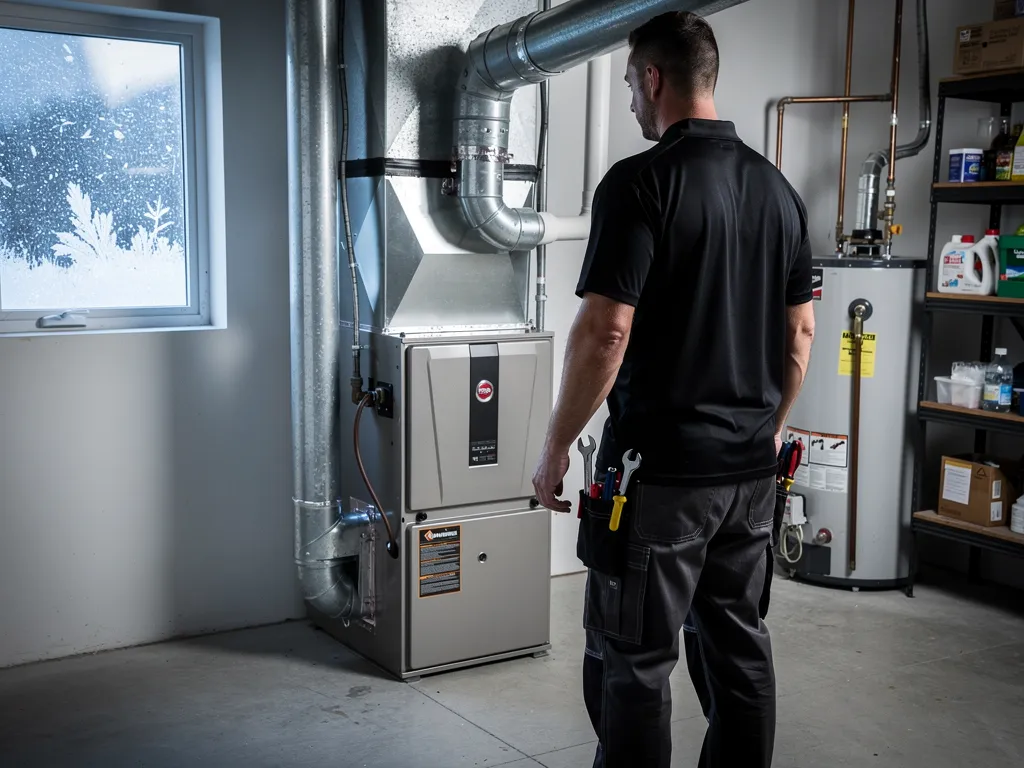
Heating system age determines whether repair or replacement makes financial sense. Furnaces can typically last 15-20 years, air conditioners around 10-15. A system operating within or beyond that window loses efficiency steadily. Homeowners who ignore age-related wear face escalating energy costs and sudden mid-winter breakdowns.
How does system age affect heating efficiency?
Older furnaces consume more fuel to produce the same warmth. Varsity Zone reports that units within or past the 15-to-20-year range simply do not run as efficiently as they once did. Even consistent maintenance cannot reverse the natural degradation of heat exchangers, burners, and blower motors. The result is higher monthly utility spending with no improvement in comfort.
What happens when a furnace passes its expected lifespan?
Performance becomes unpredictable. Components fail more often, and replacement parts grow harder to source. Since 1989, we’ve served Washington, DC, and surrounding communities for decades with dependable HVAC and plumbing services that protect your comfort year-round. A full system check from experienced technicians pinpoints whether age is the primary cause of trouble. The company explains findings clearly and recommends the ideal path forward before any work begins.
**** The answer hinges on a few measurable factors. Follow these steps to evaluate the situation:
- Check the installation date. Locate the manufacturer’s label on the unit. If the furnace is 15 years old or older, replacement deserves serious consideration.
- Compare recent energy bills. Look at costs from the same month in prior years. A steady climb signals efficiency loss tied to age.
- Schedule a professional assessment. Technicians from Jimmy Gusky Heating And Air, LLC perform a complete system inspection. They identify whether age-related wear or a repairable fault causes the problem.
- Weigh repair cost against system value. A single repair on a furnace nearing two decades of service rarely pays off. Investing in new equipment stops the cycle of repeat failures.
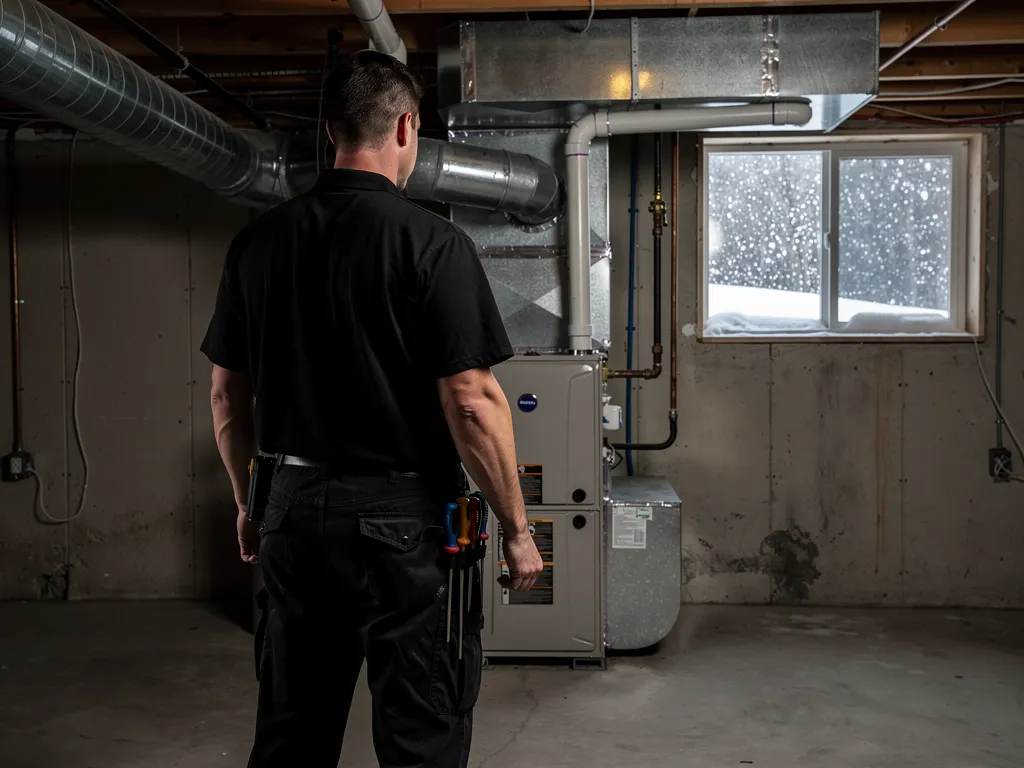
A heating system that required multiple repairs in the past year often signals the end of its useful lifespan. Homeowners in Washington, DC should weigh repair costs against replacement value before committing to another service call.
What Are the Warning Signs That a Heating System Needs Attention?
Lack of warm air, weak airflow, unusual noises, rising energy bills, or inconsistent temperatures often signal that a heating system needs professional attention. Jimmy Gusky Heating And Air, LLC inspects these symptoms and explains the next steps clearly. Ignoring these indicators risks a full system failure during the coldest months.
When Does Repair Stop Making Financial Sense?
Frequent repairs in the past year indicate the system is nearing the end of its lifespan. While isolated fixes work well, repeated service calls point to deeper mechanical decline. When repair costs start to outweigh the cost of a new system, replacement becomes the smarter financial move.
Follow these steps to decide between repair and replacement:
- Track every repair from the past 12 months, including parts and labor totals.
- Compare that cumulative cost against the price of a new heating system.
- Note any cold air, weak airflow, or unusual noises during normal operation.
- Review energy bills for unexplained increases across comparable months.
- Schedule an inspection with heating repair specialists for a definitive diagnosis.
How Does a Professional Inspection Help?
Jimmy Gusky’s team inspects the system and explains the next steps for repair or replacement. A licensed technician identifies whether the problem is isolated or systemic. That assessment prevents homeowners from pouring money into a unit that has already reached the end of its service life.
What Are the Warning Signs of a Failing Heater?
A failing heater sends clear distress signals long before it stops working entirely. Homeowners who recognize these heating system repair indicators early avoid emergency breakdowns and unnecessary replacement costs. Rising energy bills provide one of the most telling clues. A consistent, dramatic increase in heating costs compared to the same month in previous years points directly to declining efficiency. An old, struggling HVAC system works much harder, guzzling energy in the process.
Why Do Heating Bills Spike Without Explanation?
Monthly heating costs that climb steadily despite normal usage patterns signal a system losing its ability to perform. The equipment runs longer cycles to reach the same temperature setpoint. That extra runtime consumes more fuel or electricity every single day. Comparing current bills against the same billing period from prior years reveals the trend clearly.
What Happens When a Heater Works Too Hard?
Overworked components wear out faster. Blower motors, heat exchangers, and ignition systems all suffer accelerated deterioration when the unit strains against its own inefficiency. The strain compounds over weeks and months. Without intervention, minor inefficiency becomes major mechanical failure.
Jimmy Gusky Heating And Air, LLC provides heating repair and maintenance to restore safe, steady heat. Detailed diagnostics identify the root cause of energy waste and performance loss. Seasonal tune-ups help prevent breakdowns and lower energy use. A thorough inspection catches worn parts before they fail, protecting both comfort and the household budget. Following a structured HVAC maintenance checklist keeps the system running reliably through the coldest months.
When Should I Call a Professional for Help?
A professional heating assessment becomes necessary the moment a system shows persistent trouble. Strange noises, uneven warmth, or a sudden spike in energy costs all signal that a trained technician should inspect the equipment. Delaying that call risks a complete breakdown during the coldest stretch of winter.
What Are the Most Urgent Warning Signs?
Several symptoms demand immediate attention. A furnace that cycles on and off repeatedly, known as short cycling, wastes fuel and strains internal components. Burning odors or the smell of gas require shutting the system down and calling for help right away. Any visible rust, cracking, or water pooling around the unit points to problems that worsen quickly without intervention.
How Often Should a Heating System Be Checked?
Most systems benefit from service once a year. Regular checks improve efficiency, reduce breakdowns, and keep equipment prepared for seasonal weather. Homeowners who skip annual maintenance often face emergency repairs that cost more and disrupt comfort at the worst possible time. The company works with homeowners, property managers, and small commercial businesses throughout Washington, DC and nearby communities.
Can a Technician Help Decide Between Repair and Replacement?
A skilled technician provides the data needed to make that choice. Newer systems often provide better efficiency and more consistent performance. The team reviews a home’s setup and suggests options designed to reduce energy use. For answers to common HVAC questions, the company’s FAQs page offers additional guidance. Jimmy Gusky serves Washington, DC, Maryland, and Northern Virginia with fast, responsive service. Calling at the first sign of trouble keeps a small issue from becoming a costly replacement.
FAQ
How old does my heating system need to be before replacement makes sense?
Furnaces typically last 15-20 years. Systems within or past that range lose efficiency steadily, leading to escalating energy costs and sudden mid-winter breakdowns.
What signs point toward replacing my heating system?
Frequent breakdowns and repairs piling up signal the heater is nearing the end of its useful life. Replacement becomes the better option when the system ages past its expected lifespan.
Conclusion
The decision between repair and replacement comes down to the system’s age, the frequency of breakdowns, and the cumulative cost of past service calls. Homeowners who track repairs and compare them against a new unit’s price gain the clarity needed to act decisively. Scheduling a professional inspection provides the definitive diagnosis that ends guesswork, ensuring the choice protects both comfort and budget through the coldest months.